Purchasing this song through our affiliate links with certain retailers provides jazzleadsheets.com with additional support to help keep us bringing you the best lead sheets available. Thank you!
This bouncy swing abounds with rhythmic punch that accentuates the bluesy but bebop-influenced melody. It's classic Bobby Timmons soul with an unusually intricate bridge that adds nice contrast to the composition. Our audio excerpt starts at the top of the head and goes through the A and B section, so you can hear how the percussive A theme contrasts with Bobby's more lyrical playing on the B section.
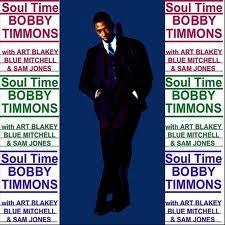
One Mo' is from the album "Soul Time," Bobby's third album as a leader and his second for Riverside. Some consider the early 1960s to be the height of Bobby's career, during which he wrote many soulful compositions like this one and innovated the style of "soul jazz." A transcription of Bobby's comping is available for another title from that album, Soul Time.
Transcribed Piano Solo: After hearing Bobby's incredible solo piano, you'll want to give this one a go yourself—and if you want to learn exactly how Bobby did it, we offer a transcription of his magnificent six-chorus piano solo. This is an excellent tool for studying how to build energy in a solo. Our audio excerpt here takes you through the first half-chorus of his solo so you can get a taste of the impressive melodic vocabulary Bobby uses.
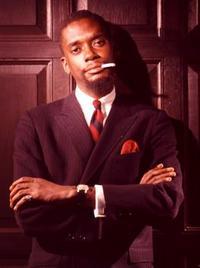
A beloved pianist with one of the most easily recognizable styles, Bobby Timmons is responsible not only for bringing his unique gospel-tinged voice to the piano, but also for his funky compositional masterpieces that have become jazz standards, like Moanin’ and This Here (Dis Here). These two are by no means the only memorable original works of Bobby’s—nearly all of his works are instantly recognizable as Bobby Timmons originals, as they all have his signature style of soul, funk, and gospel, while maintaining the hallmarks of true hard-bop jazz.
Born in Philadelphia to a religious family, Bobby studied piano with his uncle, who also taught McCoy Tyner. He moved to New York at age 20 to start his recording career with Kenny Dorham’s Jazz Prophets. Read more...